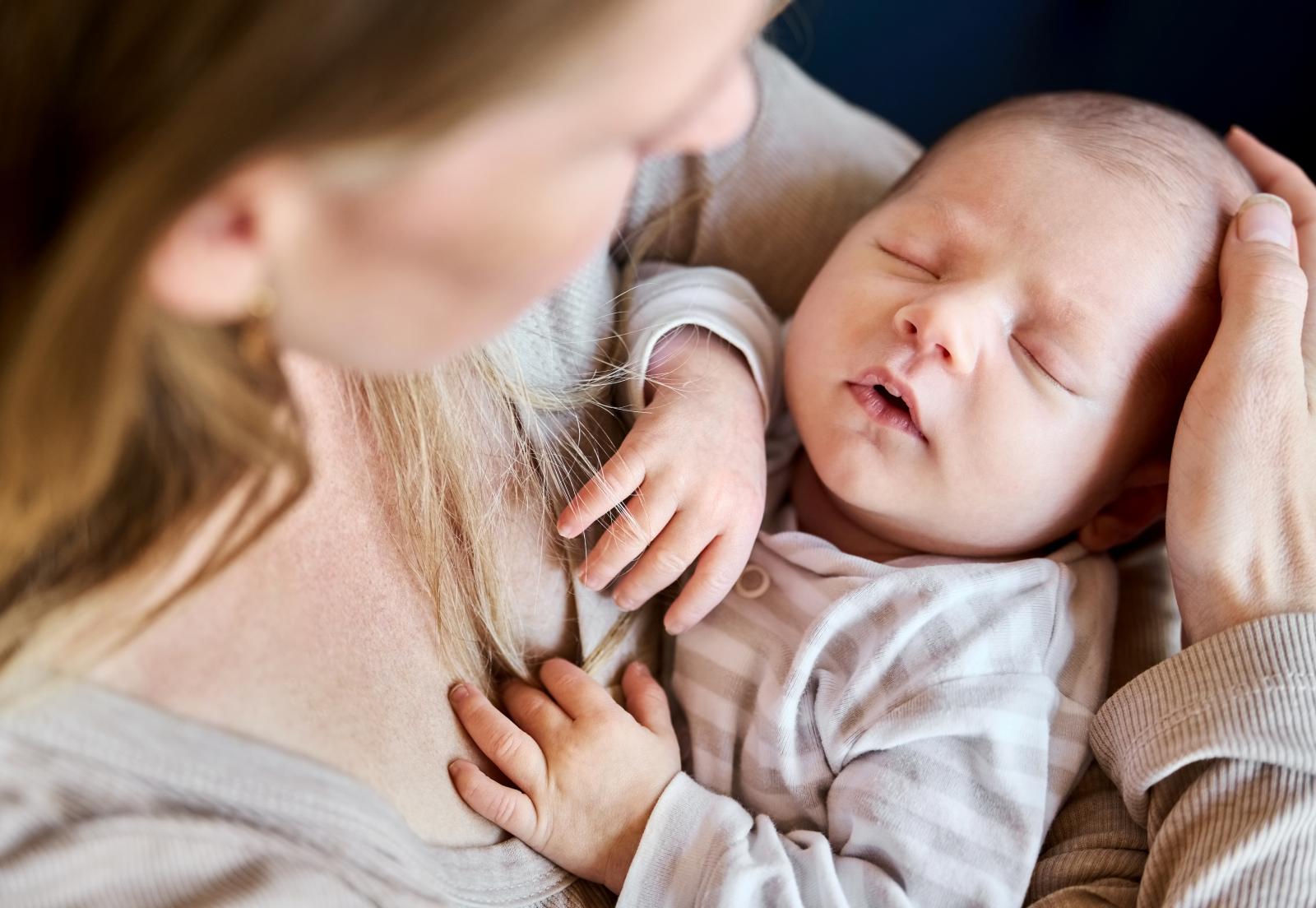

A major new report from the Centre for Mental Health has found that specialist parent‑infant relationship services, which play a critical role in helping new parents bond with their babies, remain unavailable to the vast majority of families who need them.
Secure early relationships are proven to support emotional regulation, resilience, and healthy long‑term development. Babies without a strong early bond face significantly higher risks of anxiety, depression, and later involvement in child protection, care, and youth justice systems. Research shows that specialist parent‑infant teams can strengthen early relationships, improve parental mental health, and reduce long‑term demand on the NHS, social care, education, and the criminal justice system.
Despite the clear benefits, the report highlights that just around 4% of families who need specialist parent‑infant support can currently access it. Provision is especially limited in rural, coastal, and disadvantaged urban areas, with families living in poverty, racialised communities, and those experiencing parental mental health challenges disproportionately affected.
The scale of unmet need is stark: some estimates suggest that 40–45% of UK babies experience some form of insecure attachment, yet there are only around 51 parent‑infant teams nationwide, collectively supporting between 4,400 and 6,500 families per year.
New economic modelling finds that expanding access to specialist parent‑infant teams could save the UK over £1.15 billion per year, with lifetime benefits of more than £40,000 per child supported. Parent‑Infant Foundation costed expansion plans show that scaling services to reach 28,800 families per year would generate substantial savings across health, social care, education, and criminal justice systems.
The report urges the UK Government to commit to a national expansion of specialised parent‑infant relationship support, backed by multi‑year investment, statutory guidance, and strong national leadership.
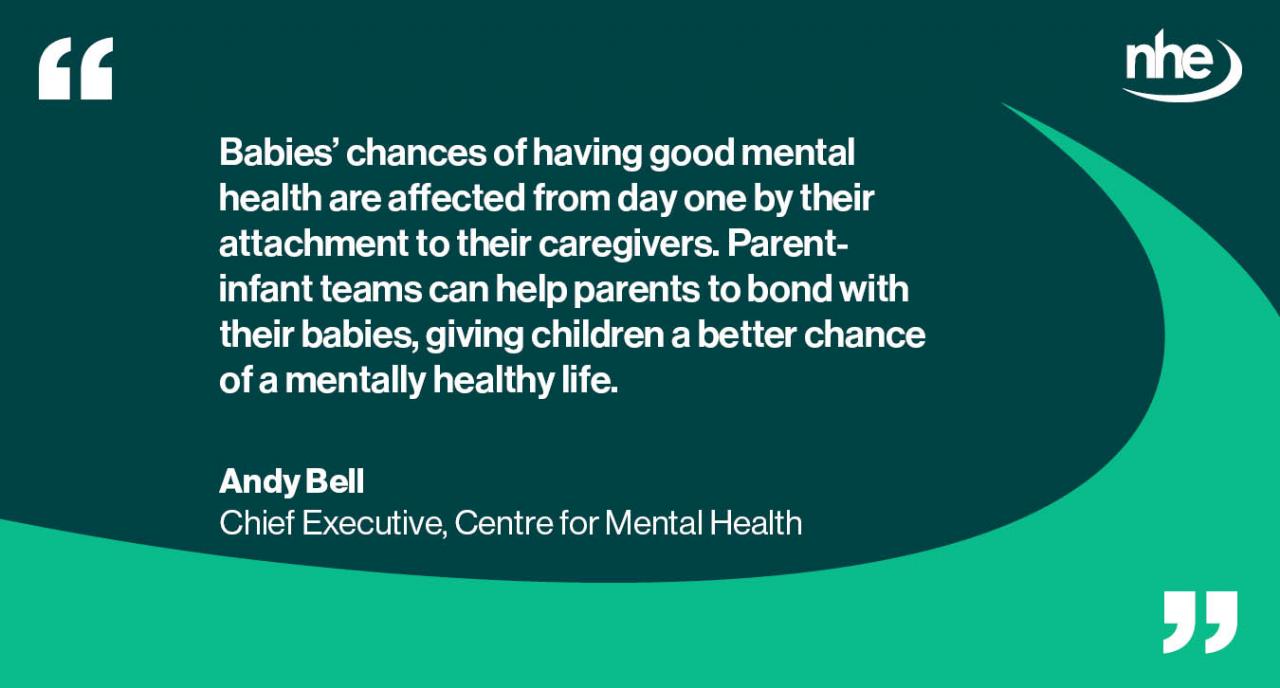
Centre for Mental Health Chief Executive Andy Bell commented:
“Babies’ chances of having good mental health are affected from day one by their attachment to their caregivers. Parent-infant teams can help parents to bond with their babies, giving children a better chance of a mentally healthy life. Too few families get to benefit from this support. Our report demonstrates that investing in parent-infant teams is excellent value for public money and could help to turn around the decline in the nation’s mental health over the last decade.”
In England, the expansion could be delivered through partnerships with the emerging network of Best Start Family Hubs, ensuring that specialist support sits alongside universal services for new families.
Experts warn that without decisive action, thousands more babies will continue to miss out on support that could shape their lifelong mental health, wellbeing, and future opportunities.
Image credit: iStock